Most businesses rely on reports every single day, even if they don’t always think about it that way. Sales numbers, operational updates, financial summaries, performance tracking, all of it feeds into decisions, big and small. But when reports feel slow, inconsistent, or hard to trust, decision-making starts to suffer. This is where SQL Server Reporting Services SSRS plays a much bigger role than many people realise.
At LabH IT Services, we often work with teams that already have strong databases but still struggle with reporting. The data is there, yet the way it’s presented creates confusion rather than clarity. Different teams work with different versions of the same numbers. Reports take time to prepare. Confidence drops. Understanding how SSRS works and why it matters helps businesses move away from that uncertainty and towards consistent, reliable insight.
Why Reporting Still Matters in a Data-Driven World
Data without reporting has limited value
Databases store information efficiently, but raw data is rarely useful on its own. Reporting turns that data into something people can understand and act on.
Decisions depend on timing
Even accurate data loses value if it arrives too late. Reporting helps bring information to decision-makers when it still matters.
Consistency builds trust
When everyone sees the same numbers, discussions shift from debating accuracy to planning action.
Strong reporting is not about volume. It’s about relevance and reliability.
What SQL Server Reporting Services SSRS Actually Is
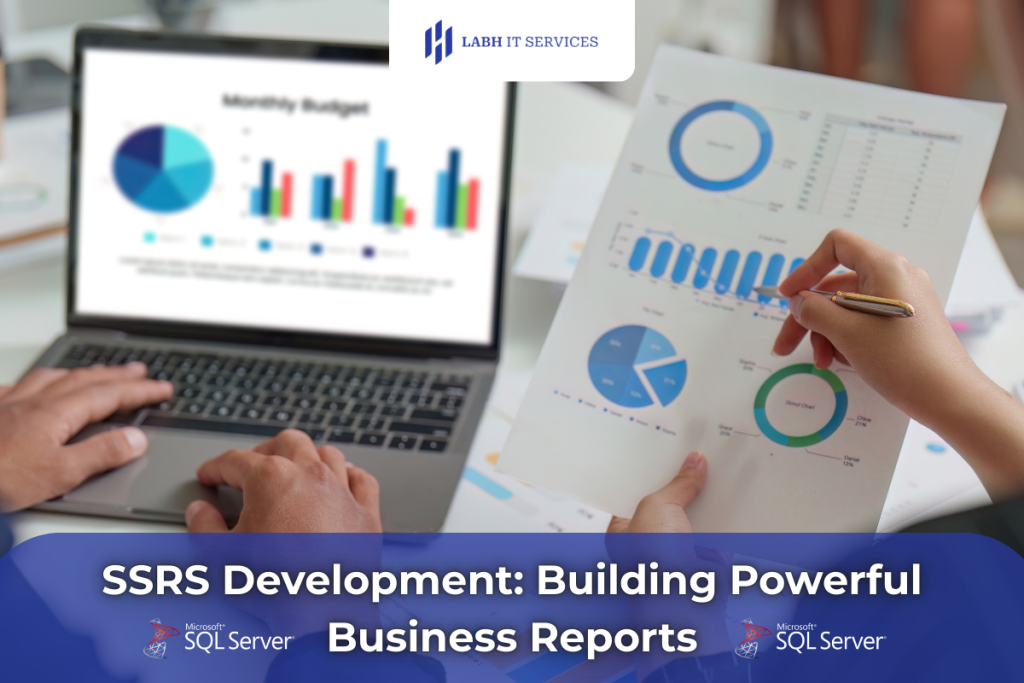
SQL Server Reporting Services is a reporting platform designed to turn database data into structured, shareable reports. It sits between raw data and the people who need insight.
With SQL Server Reporting Services SSRS, businesses can:
- Create standardised reports from SQL databases
- Deliver reports automatically on a schedule
- Present information in a clear, readable format
- Control who can access which data
- Reduce reliance on manual spreadsheets
SSRS focuses on stability and consistency. It’s built to support repeatable reporting that businesses can depend on.
How SQL Server Reporting Fits into Business Operations
Reporting is not limited to senior leadership. It supports decisions at every level of the organisation.
Operational reporting
Teams monitor daily activity, identify bottlenecks, and adjust workflows.
Financial reporting
Finance teams rely on consistent figures for budgeting, forecasting, and compliance.
Management reporting
Leaders track performance, trends, and progress against goals.
Compliance and audit reporting
Structured reports support regulatory and internal review needs.
This wide use is why SQL Server reporting remains a core part of many business environments.
Key Components of SSRS Reporting
Understanding how SSRS works helps explain why it remains relevant.
Data sources
SSRS connects directly to SQL databases, ensuring reports pull from reliable systems.
Report definitions
Reports are designed once and reused, reducing inconsistency.
Rendering formats
Reports can be viewed online or exported in different formats depending on needs.
Security and access control
Sensitive information stays protected while remaining accessible to the right users.
Each component supports accuracy, repeatability, and control.
Why Businesses Still Choose SQL Server Reporting
Despite the growth of modern BI tools, many organisations continue to rely on SQL-based reporting.
Stability
SSRS is proven and reliable, especially in established environments.
Integration
It fits naturally into SQL Server ecosystems already in place.
Control
Businesses retain clear ownership over report logic and data access.
Cost efficiency
For many organisations, SSRS delivers strong value without unnecessary complexity.
This makes SQL Server reporting a practical choice for long-term reporting needs.
How Reporting Quality Impacts Decision-Making
Good reporting doesn’t just inform decisions. It shapes how decisions are made.
Clear visibility
Leaders can see trends and issues without digging through raw data.
Reduced hesitation
When numbers are trusted, decisions move faster.
Better alignment
Teams work from the same understanding of performance.
Over time, this clarity changes the rhythm of decision-making across the business.
Our Approach to SSRS at LabH IT Services
In the middle of most reporting projects, we notice something important. Businesses rarely want more reports. They want fewer doubts. At LabH IT Services, we begin by understanding what questions teams ask repeatedly. Where does confusion appear? Where do reports slow things down?
We then design SSRS reports that answer those questions directly. No unnecessary detail. No cluttered layouts. Just clear reporting that fits how teams already work. When reporting feels natural and reliable, adoption follows without resistance.
Common Challenges SSRS Helps Address
Without structured reporting, businesses often face the same issues.
Some of the most common include:
- Conflicting numbers across departments
- Manual report preparation every week
- Delayed insight
- Limited historical visibility
- Difficulty tracking trends
SSRS doesn’t remove complexity overnight, but it gives businesses a stable framework to manage it.
Performance and Reliability in SQL Server Reporting
Reporting performance matters as much as accuracy.
Optimised queries
Efficient queries reduce load and improve response times.
Well-designed views
Clean database views support faster report generation.
Scheduled execution
Reports run automatically, reducing manual effort.
Scalable delivery
Reports reach more users without duplicating work.
These practices help keep reporting dependable as demand grows.
The Long-Term Value of Structured Reporting
Strong reporting systems support businesses well beyond immediate needs.
Historical insight
Trends remain accessible over time.
Process improvement
Patterns highlight areas for optimisation.
Reduced risk
Early signals appear before issues escalate.
Scalability
Reporting adapts as data volumes increase.
These benefits compound as the business grows.
Why SSRS Remains Relevant for Modern Companies
Technology evolves quickly, yet SSRS continues to hold its place.
Mature platform
Years of use have refined stability and reliability.
Ongoing relevance
Businesses still need structured, repeatable reporting.
Complementary role
SSRS works alongside modern BI rather than competing with it.
For many organisations, SSRS remains a dependable reporting backbone.
Turning Reporting into a Business Strength
Reports should guide action, not just document activity.
With SQL Server Reporting Services SSRS, businesses can:
- Monitor performance clearly
- Reduce uncertainty
- Support planning
- Improve accountability
- Strengthen decision-making
When reporting works well, it becomes a quiet but powerful advantage.
Building Confidence Through Better Reporting
If your business relies on reports but struggles with inconsistency or delays, it may be time to revisit your reporting foundations. With the right setup, reporting becomes a source of clarity rather than frustration.
At LabH IT Services, we help businesses strengthen SQL server reporting by designing dependable SQL server reporting services SSRS solutions that support confident, informed decisions.
Let’s start shaping reports your teams can truly rely on.
FAQs
What is SQL Server Reporting Services used for?
It is used to create, manage, and deliver structured reports from SQL databases.
How does SSRS support decision-making?
It provides consistent, timely reports that leaders can trust.
Is SSRS still relevant for modern businesses?
Yes, many organisations rely on it for stable, repeatable reporting.
Can SSRS handle large data volumes?
When designed properly, it scales well with growing data.
How does SSRS differ from BI dashboards?
SSRS focuses on structured reporting, while BI dashboards support interactive analysis.